

You have tried the heavy creams. You have tried drinking more water. You have tried the routine your cousin swears by. And your hair is still dry by Wednesday.
There is a decent chance your hair is not actually dry in the way you think. It may simply be on the wrong porosity routine — and porosity is the one thing almost nobody checks before buying products.
Two tests, sixty seconds each, and you will know.
What porosity actually is
Porosity is how easily your strand lets water in — and how long it holds on to it once it is there.
It is decided by your cuticle, the shingle-like outer layer of each strand. A tight cuticle means water struggles to get in. A raised cuticle means water rushes in, and rushes straight back out again.
Porosity is not your curl pattern. They are two different measurements. Two women with identical 4C coils can need opposite products — which is exactly why following someone else's routine so often goes nowhere.
The water test
Drop one clean, shed strand into a glass of water. Wait four minutes.
- It floats — low porosity. The cuticle is sealed tight.
- It sinks slowly — medium porosity. Balanced, holds moisture well.
- It sinks straight down — high porosity. Soaks up water, loses it fast.
The strand has to be clean. Product residue changes the result, which is why this test is best done on a wash day.

The slide test
Pinch a strand and slide your fingers from the end up toward the root.
- Smooth the whole way — low porosity.
- Slightly bumpy — medium porosity.
- Rough and catchy — high porosity.
Do both tests. If they disagree, trust the water test — fingers are easy to fool, and a strand either floats or it does not.

Water beads on top of your hair
You know the signs even if you never had a name for them. Products sit on the surface instead of sinking in. Your hair takes forever to get properly wet in the shower — and then forever to dry afterwards. Conditioner feels like it is coating rather than absorbing.
None of that is your hair being stubborn. The cuticle is lying flat and tight, which is a good thing for holding moisture once it is in. The whole job is getting it in.
What works
- Lightweight, water-based leave-ins and sprays
- Warmth to open the cuticle — steam, a hooded dryer, or a plastic cap over your conditioner
- Light oils only
What does not
- Heavy butters straight onto dry hair — they never get past the surface
- Piling on more product to force moisture in. More product on a closed cuticle is just more buildup
The easy one — protect it
Your cuticle is doing its job. Water goes in at a sensible rate and stays a sensible length of time. Most of the work here is not breaking what already works.
That sounds like a non-answer, but medium porosity hair is the most commonly over-treated. It is the hair most likely to be ruined by a protein routine it never needed.
What works
- A moisturising deep conditioner every wash day
- Cream-based stylers
- Balance protein and moisture — alternate them, do not stack them
What does not
- Over-proteining because a video told you to
- Clarifying every single week. You are stripping hair that was fine
Your hair drinks — then it is thirsty again by evening
Moisture goes in beautifully. You finish wash day feeling like you have finally cracked it. By the next morning it is gone.
The cuticle is raised, often from colour, heat, or years of manipulation — and sometimes it is simply how your hair grows. Water walks in through the gaps and walks straight back out. Nothing you add will stay unless something goes on top to hold it there.
What works
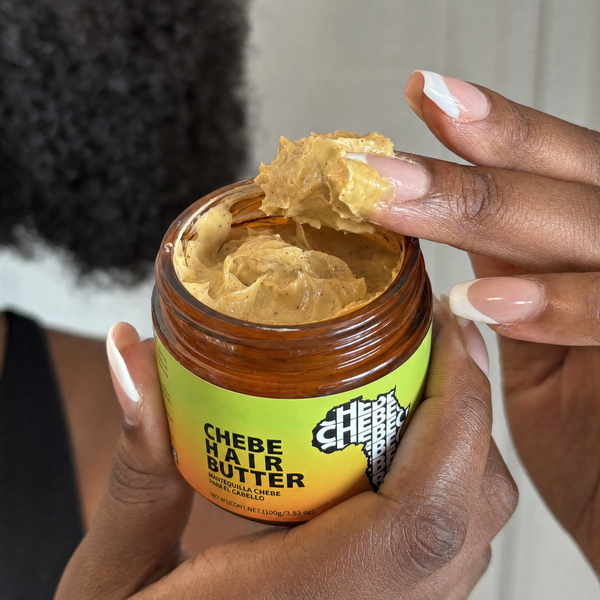
- Thick creams and butters, to seal the gaps in the cuticle
- Layer it — liquid, then oil, then cream. The LOC method exists for exactly this hair
- A protein treatment every few weeks to patch the gaps
What does not
- Water-only refreshes with nothing to seal them in. You are wetting hair that will be dry in an hour
- Skipping deep conditioning
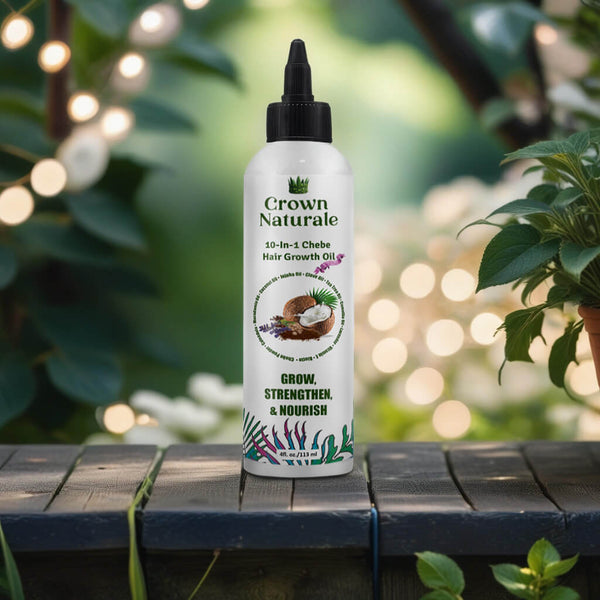
How to use the butter: once a week, on clean and completely dry hair. A quarter-sized amount per section, worked down the length — never on the scalp. It seals what is already in the strand, so it goes on after your moisture step, not instead of it. More often than once a week weakens the effect rather than improving it.
All three, side by side
| Low | Medium | High | |
|---|---|---|---|
| Water test | Floats | Sinks slowly | Sinks fast |
| Feels like | Product sits on top; slow to wet, slow to dry | Takes product well, holds it a sensible time | Drinks it in, dry again by evening |
| Use | Light, water-based, plus warmth | Deep conditioner, cream stylers | Butters and creams, layered, plus protein |
| Avoid | Heavy butters on dry hair | Over-proteining, weekly clarifying | Water-only refreshes, skipping deep conditioning |
One last thing
Porosity can change. Colour, heat and years of manipulation all raise the cuticle, so hair that was low porosity at twenty can be high porosity at forty. If a routine that used to work has quietly stopped, retest before you replace everything in the cabinet.
Do the water test tonight.
Then build the routine around the answer, not around a guess.
Shop the routines