

Most people find their curl type on a chart, nod, and change nothing. That's because the chart tells you what your hair looks like, not what it needs. Those are two different questions, and only the second one changes your wash day.
Here's the short version: waves need moisture without weight. Curls need definition and moisture at the same time. Coils need sealing, and then sealing again. Nine patterns, three routines.
First, find your pattern
Wash your hair. Put nothing on it. Let it air dry without touching it.
Then look at one strand, not the whole head. Pull a single piece away and look at its shape. A whole head averages out into something vague; one strand tells you the truth.
You probably have more than one pattern. Most people do. The crown is often looser than the nape, and the hairline is often looser than both. Treat your dominant pattern as the baseline and adjust for the rest.
Damage can imitate a looser pattern. If your ends are straighter than your roots, that's usually not your type — that's heat or colour or friction. The new growth is the honest part.
Waves
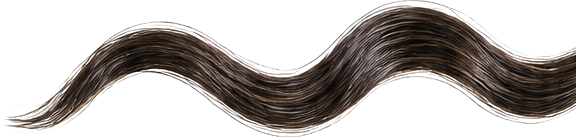
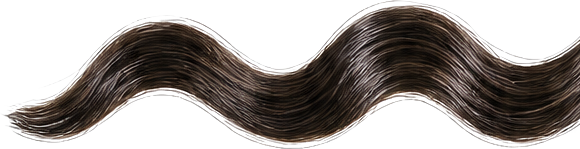
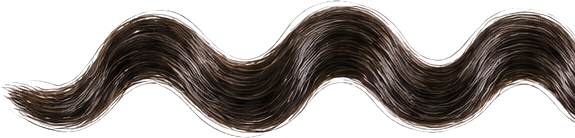
2A is a loose S that lies close to the head, barely there when it's dry. 2B is a defined S from mid-length down, with a flatter crown. 2C waves start at the root, are thicker, and frizz first.
The real problem: weight
Waves are the only pattern that collapses under product. Heavy butters and rich creams flatten a 2A into straight hair by lunchtime, which is why so many wavy people conclude they "don't have curls" — they do, they're just being crushed.
What to do
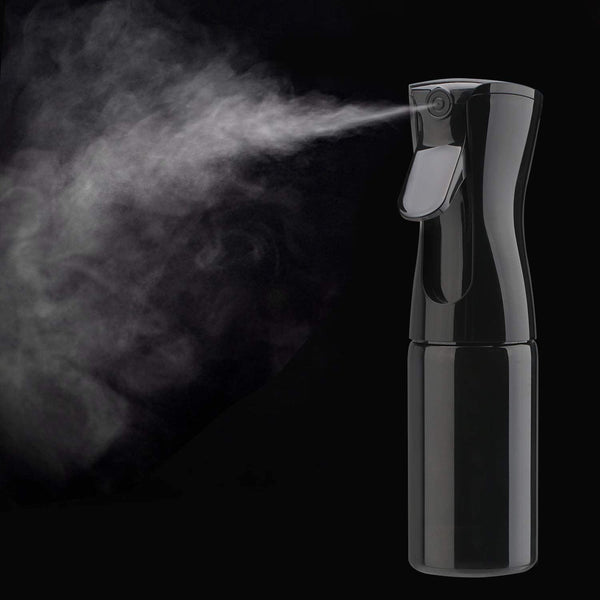
Wash more often than a curly person would; waves get oily at the root faster because sebum travels down a loose strand easily. Condition the mid-lengths and ends, not the scalp. Apply anything you use to soaking-wet hair, then leave it completely alone while it dries — touching wet waves is what causes the frizz.
Skip: heavy butters. A wave doesn't need a sealant, and it can't carry one.
Type 3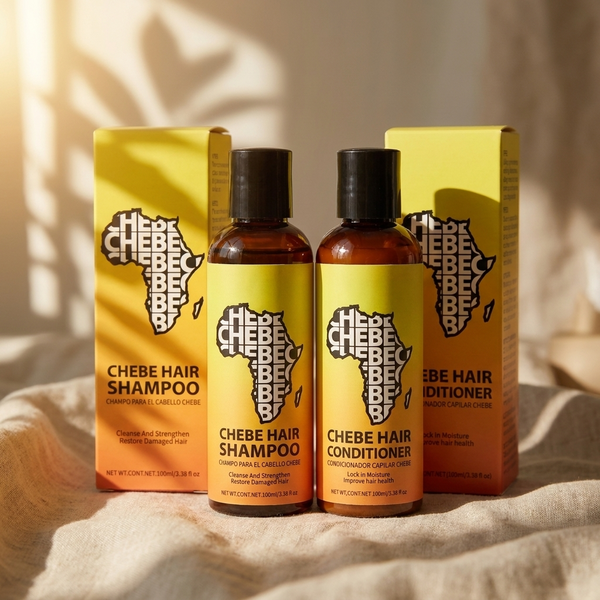
Curls
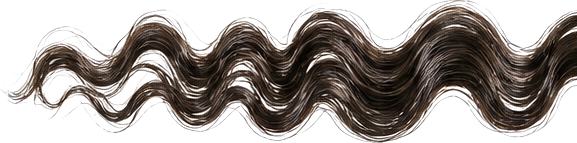
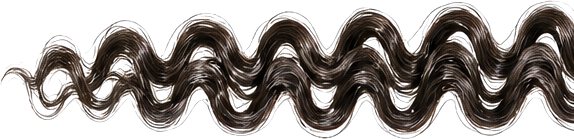
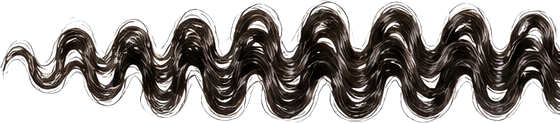
3A is a loose, large curl about the width of a wine cork. 3B is springy and the width of a marker pen. 3C is tight, corkscrew, closer to a pencil, and densely packed.
The real problem: the cuticle sits lifted
On a curved strand, the outer scales can't lie perfectly flat. Water gets in easily — and leaves just as easily. That's why type 3 can feel hydrated in the morning and like straw by evening.
What to do
Work in layers while your hair is dripping wet: a water-based leave-in, then a defining layer on top to hold the curl clump together. Don't disturb the clumps — that's what definition actually is. Scrunch, don't comb, once it's dry.
Skip: brushing dry hair. It separates every clump you just built.
Type 4
Coils
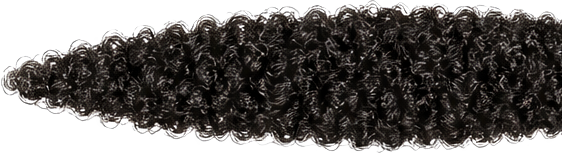
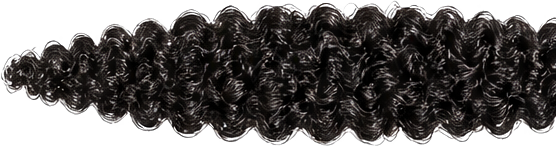
4A is a soft, visible coil about the width of a crochet needle. 4B bends in sharp angles rather than curving, more Z than S. 4C is the tightest, with so much shrinkage the strand can look several inches shorter than it is.

The real problem: your own oil can't get down the strand
Sebum slides easily down a straight hair. On a tightly coiled one it has to navigate every bend, and it mostly doesn't make it past the first few. That's not a flaw — it's geometry. It means type 4 hair is dry at the ends by default and needs moisture added and then locked in, every time.
Two consequences people underestimate. Shrinkage isn't length loss — 4C hair commonly shows a fraction of its true length, and that's normal. And the ends are the oldest, driest, most fragile part of the strand, which is where breakage starts and why length seems to stall.
What to do
Moisture first, then a sealant on top, in that order — water alone evaporates, and oil alone seals in nothing. Detangle only when wet and slippery with conditioner, in sections, from the ends upward. Protective styles at night are not optional; a cotton pillowcase pulls moisture straight out.
Skip: applying butter to a dry, unmoisturised strand. You'll seal in nothing.
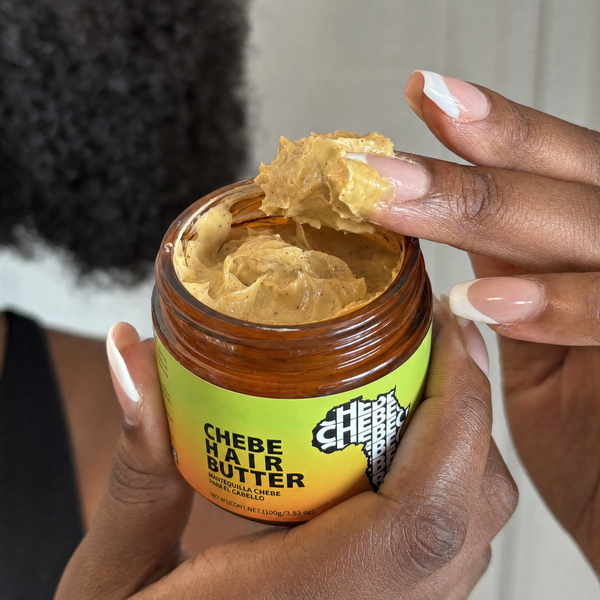
How to use the butter: once a week, on clean and completely dry hair. A quarter-sized amount per section, worked down the length — never on the scalp. More often weakens the effect rather than improving it.
The rule that applies to every pattern
Whatever your type, the order is the same: water first, then something to hold it there. What changes is the weight of that second layer. A wave needs a mist. A curl needs a cream. A coil needs a butter. Same principle, three different densities.
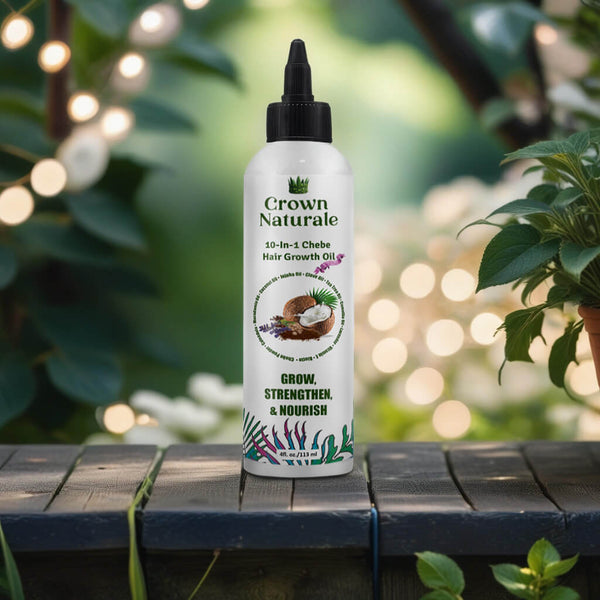
And a note on chebe specifically, because it gets misrepresented constantly: chebe is a length-retention tradition, not a growth treatment. The Basara women of Chad are known for long hair not because chebe makes hair grow faster — everyone's hair grows at roughly the same rate — but because it keeps the ends from breaking off. You keep what you grow. That distinction is the whole thing.
One more thing the chart can't tell you
Porosity — how easily your hair takes in water — often matters more than pattern. Drop a clean, dry shed strand in a glass of water. Floats after a few minutes: low porosity, the cuticle is tight, so use lighter products and warmth to help them absorb. Sinks quickly: high porosity, water goes in fast and leaves fast, so you need heavier sealing regardless of your type.
A low-porosity 4C and a high-porosity 4C need different routines despite the same number on the chart. If you've followed all the type-4 advice and it still isn't working, porosity is usually why.